


OCEANO EM PERIGO
Projeto em Pernambuco busca salvar recifes de corais com experimento pioneiro
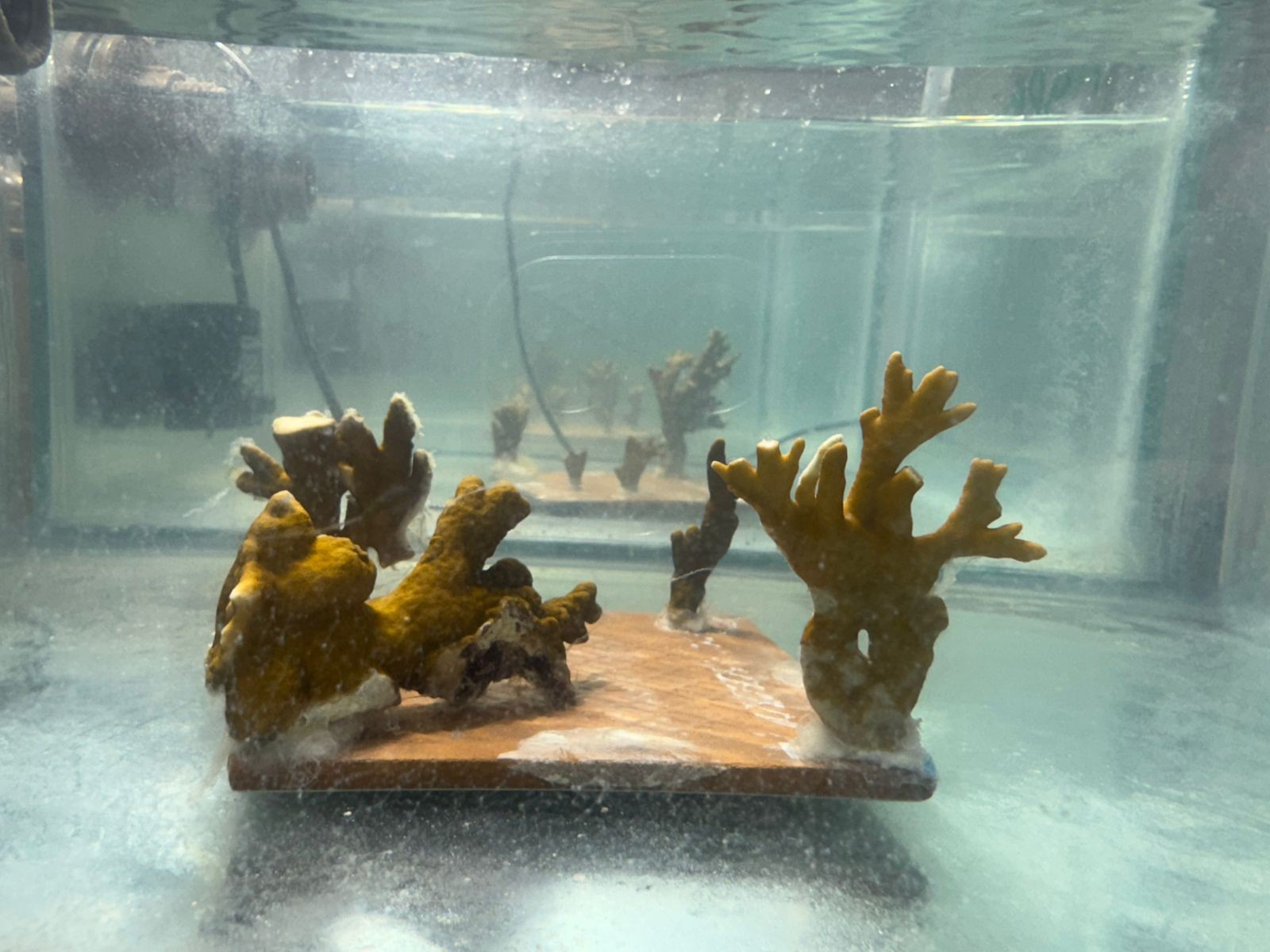
Pesquisadores criam 'berçário' em aquários para testar probióticos contra o aumento da temperatura do mar, vital para a biodiversidade e economia local.
Um ambicioso experimento científicoLaunched on 09/06/2026, scientists from the Projeto Conservação Recifal (PCR) decided to create a "coral nursery" with 24 aquariums to test innovative strategies for saving the marine ecosystems. This decision comes as a direct response to the devastating impact of climate change, which causes rising sea temperatures and has already led to the death of approximately 80% of corals in the Área de Proteção Ambiental (APA) Costa dos Corais, spanning Pernambuco and Alagoas. The initiative holds immense importance, as healthy coral reefs are fundamental for marine biodiversity, coastal protection, and the livelihoods of local communities dependent on tourism and fishing.
Known as the "rainforests of the ocean," coral reefs are fragile ecosystems disproportionately affected by global warming. The PCR's groundbreaking initiative, the first of its kind in the Nordeste region, aims to counteract this alarming trend. The project focuses on a "coral nursery" housed in 24 aquariums, where fragments of these vital marine organisms are nurtured and studied. This controlled environment allows researchers to meticulously monitor and understand the effects of rising ocean temperatures on various coral species.
The core of the experiment involves testing the efficacy of probiotics—substances introduced to corals to enhance their resilience against thermal stress. Dr. Pedro Pereira, the coordinator of PCR, explained that initial trials are focusing on the "coral-de-fogo" species, with plans to expand to other species. The ultimate goal is to develop strategies that can be applied in natural reef environments, fostering greater resistance and enabling the restoration of Brazil's threatened coral coastlines.
"It's a scientific experiment because we are simulating the natural environment, but we are controlling the conditions to understand, for example, at what temperature the coral will turn white, at what temperature the coral will die, and we are using a probiotic, a substance that we are putting in the corals to try to increase their resistance to temperature change. So, what we do is try to control the condition and feed [the coral] with this probiotic to see if it will become more resistant to temperature change," stated Dr. Pereira.
The research, currently in its first year, involves a dedicated team of seven professionals, with valuable collaboration from the Universidade Federal do Rio de Janeiro (UFRJ) and an institution in Arábia Saudita. This international cooperation highlights the global significance of coral reef conservation. While similar research has been conducted in locations like Austrália and the Caribe, this project marks a crucial step in understanding and addressing the specific challenges faced by coral reefs in the Nordeste do Brasil.
The long-term vision for the research is to translate successful laboratory findings into tangible conservation efforts in the wild. Dr. Pereira anticipates that if the probiotic treatment proves effective, the next phase will involve applying it to corals in their natural habitats. This proactive approach is particularly critical as the team prepares for periods of extreme heat anticipated for the end of the year and early next year, aiming to prevent widespread coral mortality.
The implications of coral mortality extend far beyond the immediate loss of these organisms. Coral reefs are foundational to marine biodiversity, supporting a vast array of fish, crustaceans, and other sea life. Their degradation triggers cascading negative effects throughout the marine food web. The visual cue of "coral bleaching"—where corals turn white due to thermal stress—is a critical indicator of distress; prolonged bleaching often leads to irreversible death, signifying the loss of an entire ecosystem.
Furthermore, the economic and social fabric of coastal communities is deeply intertwined with the health of coral reefs. These vibrant underwater cities are magnets for tourism, drawing visitors to the stunning coastlines of Pernambuco and Alagoas. They are also vital for artisanal fishing communities, providing a crucial source of sustenance and income. The decline of coral reefs, therefore, poses a significant threat to both the ecological balance and the economic stability of the region. Compounding this crisis is the immense timescale of coral growth; reefs develop over millennia, meaning current losses represent the destruction of natural heritage that took countless generations to form, with recovery potentially taking as long.
Gostou desta notícia?
Entre no nosso grupo do WhatsApp!
Receba as principais notícias em primeira mão, direto no seu celular. É grátis!
📲 Quero entrar no grupo
Comentários (0)
Deixe seu comentário